Now onboarding solo GPs and angels
You built this alone.Your inbox shouldn't make that harder.
No associate to take the first pass. No partner to split the judgment call with. OnThesis reads every cold pitch against your actual thesis and only hands you what's worth your time.

No spam. One email when we're ready for you.
The part nobody puts in the pitch deck
Somewhere between the portfolio call and the diligence doc, the inbox is still sitting there.
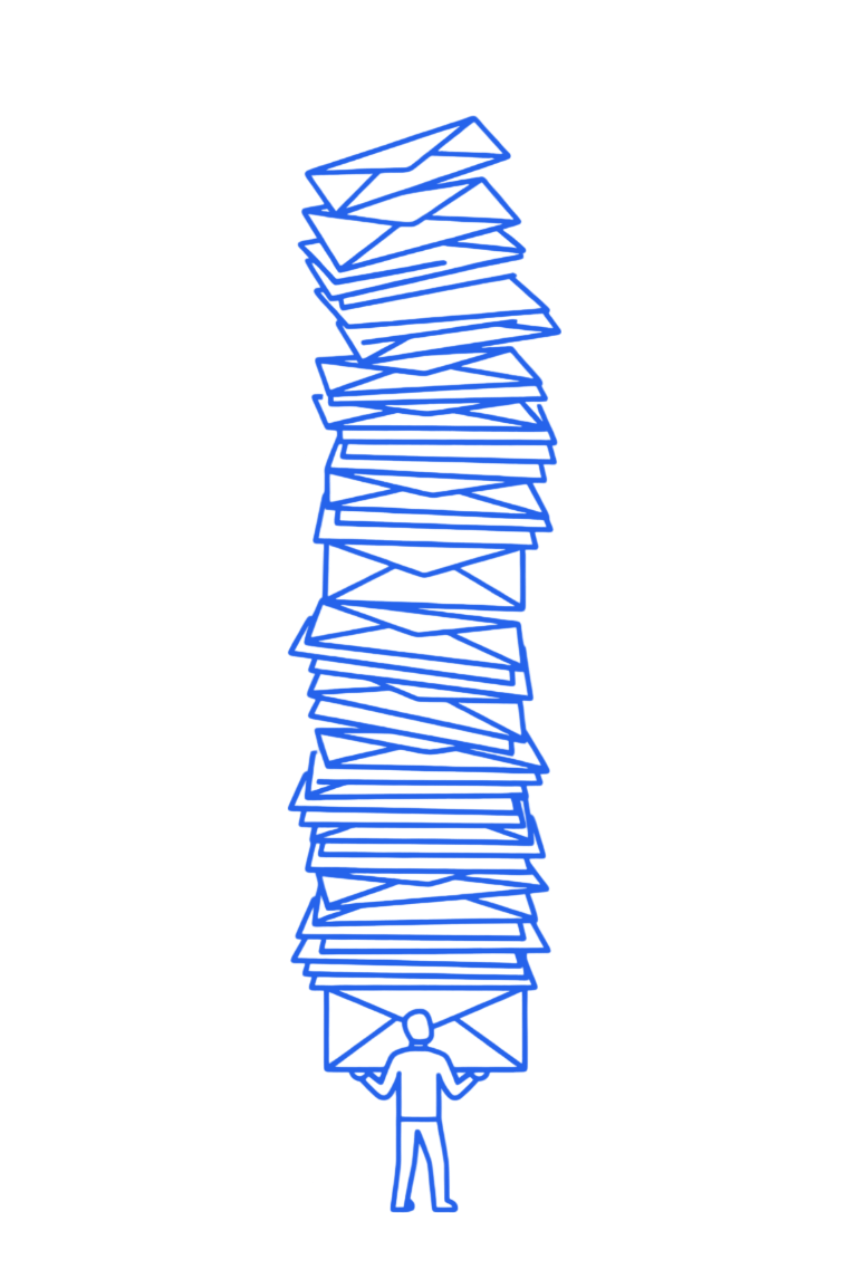
You know most of what's in it before you open it — wrong stage, wrong check size, a sector you don't touch. Roughly 70 out of every 100 pitches die in that first look, before anyone takes a meeting. Never a judgment call about the company. A mismatch you could've caught in a sentence.
There's no associate doing that first pass, no principal filtering before it reaches you. A solo GP fielding even a modest run of cold pitches a week is looking at somewhere north of two thousand a year — thirty honest seconds each, several hundred hours spent finding the two or three that were ever going anywhere. Triaged at 11pm, between calls, or not at all for three days. You just don't know which one was worth it until you've already spent the time.
of pitches die in the first look, before any meeting — a mismatch, not a rejection
median close rate across a full year of deal flow at a typical fund
better conversion for a warm intro than a cold pitch, meeting for meeting
Before anything else
Running this alone was the point.
Nobody made you build a fund of one. You did it because you didn't want a committee between you and a decision. You wanted the calls to be yours — the good ones and the wrong ones both.
That's not a gap in the model. It's the model. But it means every hour spent scanning something that was never going to be a fit is an hour that came out of the part of the job you actually chose this for.
This isn't about needing help running a fund. It's about one specific, repetitive task that doesn't deserve the same hours as everything else you're doing alone.
How it works
Four steps, none of which require you to open the email first
Pitch lands
A cold email hits your existing inbox — Gmail or Outlook. Nothing changes about how founders reach you.
Read against your thesis
OnThesis parses the email body, attached decks, and DocSend links — stage, sector, check size, traction — and checks it against your actual criteria.
Sorted, not just tagged
Clear mismatches get a drafted pass, queued for your one-click approval. Borderline cases get flagged, not buried. Nothing sends without you.
You see what's on-thesis
What clears the bar shows up with a one-line summary pinned in your inbox. That's the only thing you actually have to read.
Built for how you actually screen
The judgment call you already make, automated at the inbox
Not a CRM. Not a form founders have to find. It reads what's already landing in your inbox and applies the same fit check you'd apply yourself.
Set your stage, sector, geography, check size, and ownership targets once. Every pitch gets checked against the real thing, not a generic spam filter.
Pulls metrics straight out of attached PDFs and linked DocSend or Notion decks — pre-seed, $500k raise, $10k MRR — without you opening a single attachment.
Off-thesis pitches get a polite, specific, auto-tailored pass drafted and queued. You approve or edit before anything sends. Never fully autonomous by default.
If the sender shares a mutual connection or was referred in, triage backs off. Warm intros don't get auto-passed just because the metrics look off.
Cross-references inbound against your existing portfolio, so direct competitors get flagged before you accidentally take the meeting.
A standing rollup of what got auto-passed and why, so you can spot-check the system's calls instead of trusting it blind.
Who this is for
Built for the fund of one
Solo GPs
You're running LP capital with no associate to take the first pass. You already know warm intros close several times better than cold ones — that instinct is correct, and it's exactly what a bigger fund's screening layer protects at scale. OnThesis gives you that same protection without giving up the autonomy you built this to have.
Angel investors
It's your own capital and your own time — nobody else is losing sleep over a wasted scan. But you still know the next great cold pitch might be sitting three emails deep in a pile you haven't opened yet, and that not opening it isn't a small thing to you either.